
詩篇中的苦難轉化之路


從哀歌到盼望:聖經中的苦難轉化之道
探討聖經中的苦難轉化與轉向神同在的過程
您知道嗎?哀歌(Lamnet)佔了《詩篇》中30% 以上的篇幅。
第一部分:哀歌——在苦難中尋見盼望的祈禱步驟
「哀歌」(Lament)並非是不信或軟弱的表現,而是神主動邀請我們真實表達內心掙扎,並在深沉的苦難中重新尋見盼望的祈禱方式。在面臨痛苦時,可以透過以下幾個漸進的步驟運用哀歌祈禱:
- 毫無保留地傾吐痛苦與質疑: 哀歌的起點是真實面對並表達你的崩潰與絕望。神允許我們帶著抱怨來到祂面前,可以誠實诉說自己感到被離棄、與神失去連結的沮喪,甚至可以直接質疑神:「祢的愛是否消失了?祢的應許是否落空了?」
- 將目光轉向「常經憂患」的救主: 在傾吐混亂後,刻意回想神的作為與耶穌基督的受苦。耶穌是「憂患之子」(Man of Sorrows),祂完全能理解並體恤你此刻的煎熬。
- 在流淚中緊抓應許並交託明天: 將無法掌控的明天交託在祂手中。一邊哭泣一邊向神歌唱,緊緊抓住祂的應許,將自己藏身在祂翅膀下尋求避難所。
- 在哀哭中宣告神的信實並耐心等候: 哀歌的終點是在淚水中依然宣告神永不失敗的愛。雖然神有時允許悲傷,但祂同樣會顯出憐憫。在哀哭中定睛於全智的神,相信祂的話語會持續引導你。
相關祈禱文範例
親愛的天父,當我面對未知的明天,心中被恐懼與焦慮淹沒時,我來到祢面前尋求安息。我承認自己無法掌控未來,但我知道祢掌管一切,並且祢對我的計畫是充滿平安與盼望的。祢的話語提醒我:「不要為明天憂慮,因為明天自有明天的憂慮。」求聖靈幫助我,將所有的重擔與未知完全交託給祢,因為祢深知我的軟弱,並且時刻顧念著我。
奉耶穌基督得勝的名祈求,阿們。
第二部分:聖經中的哀歌與盼望——實例
以下《聖經》中經典的「哀歌轉化為盼望」的實例:
相關詩篇精神與現代應用:
- 發出呼求並耐心等候(詩篇 Ps 40:1): 展示經歷掙扎後因神最終垂聽而生出盼望。是從哀歌轉向信靠的典型範例。
- 卸下重擔的轉折點(詩篇 ps 55:22): 將我們承受的痛苦拋給神,是從絕望轉向安息的必經之路。即受苦者將重擔交託給上帝的時刻。(詩篇 55 篇本身是一首情感極其強烈的個人哀歌 ———大衛當時正躲避背叛(可能是押沙龍或視如左右手的密友亞希多弗)—— 這使得第 22 節不僅是一句獨立的安慰經文,更是經過極度痛苦的禱告後,得來不易的結論。
- 讀者也可參考我們的網站另ㄧ篇相關現代哀歌實例的文章:書摘 《哀歌式的禱告》在苦痛中尋見神 by Jonny Parker《A Prayer of Lament》 口語詩重現聖經哀歌結構:從起初的絕望質疑(「祢的應許落空了嗎?」)轉向盼望宣告(「定睛於祢,讓盼望再次升起」)。
,全面相信
哀歌轉化為盼望的經典實例:
- 詩篇 13 篇(從極度質疑到歌頌厚恩): 詩人從充滿絕望與質疑「你要忘記我要到幾時?」大衛選擇將目光轉向神的本性,轉向倚靠:「但我倚靠你的慈愛,我的心因你的救恩快樂。我要向耶和華唱詩。」學者們一致認為詩篇 13 篇是哀歌結構中最精簡且完整的範例。這四個階段——「要到幾時呢?」→ 祈求 → 信任 → 讚美——僅在六節經文中便完整呈現,使其成為教學的理想素材。
- 詩篇 42 篇(自我對話與重塑): 在極度憂鬱與彷彿神缺席時自我宣告:「應當仰望神,因他笑臉幫助我,我還要稱讚他。」這種自我對話過程即是孕育盼望的行動。第1節:「我的心哪,你為何憂悶?」是全本聖經中在心理層面上最深刻的時刻之一。請注意,詩篇第 42 篇與第 43 篇在原始文本中可能合為一首詩。
- 詩篇 22 篇(耶穌在十字架上的哀歌): 耶穌在十字架上引用。在歷經痛苦描述後迎來轉折:「我要將你的名傳與我的弟兄,在會中我要讚美你……那受苦之人呼籲的時候,他就垂聽。」(22-24節)這種在未得答案之前就宣告讚美的信心,而非憑眼見,正是哀歌最深刻的屬靈功課。
總結來說,無論現代禱詞或古代《詩篇》,哀歌都不是失去了信心;相反地,哀歌是受苦者在黑暗中拒絕放棄與神溝通的堅韌,最終總會成為通往盼望與讚美的橋樑。
此外,我們也來探討聖經中的非《詩篇》實例:
- 《耶利米哀歌》第三章: Ffierce Church 牧師講道特別引用。在極度痛苦與迷惘(哀歌 3:19-20)中做意志轉向:「我想起這事,心裡就有指望。」帶出宣告:「耶和華的慈愛永不斷絕,祂的憐憫永不止息;每早晨這都是新的。」教導唯有神自己才是我們真正的基業。
- 《約伯記》: 《JOB and His Suffering》一書可作為苦難時不懷疑神的教材。約伯拒绝離開神,最終引導他親眼看見神的偉大與主權。
第三部分:結論
綜合以上的整理,我們可以知道聖經哀歌五個樂章要素:
- Address to God 向神呼求
- Complaint/cry 訴苦/哀哭
- Petition 祈求
- Affirmation of trust 肯定的信靠神
- Vow of praise 讚美 神
聖經中的哀歌形式在心理與屬靈層面上都極其誠實,以至於現代基督徒藝術家會自然地重新發現它。
正如 Desiring God 所言:「流淚是人之常情,但哀告是基督徒的體現。」(To cry is human, but to lament is Christian.)這是一句非常有力的引言。
哀歌神學強調神在我們面對失去與痛苦時最能顯出祂的榮耀,拒絕追求繁榮成功的「成功神學」,成為苦難中信仰的解藥。
「哀歌是一道門戶;當我們陷入困境、感到絕望、挫敗且不知所措時,哀歌讓我們能穿透與上帝關係中的某種僵局。」
書摘《哀歌式的禱告》在苦痛中尋見神 - Johny Parker


書摘《哀歌式的禱告》Jonny Parker 著
在苦痛中尋見神
A Prayer of Lament by Jonny Parker
引言:哀歌 - 失落的藝術 (The Lost Art of Lament)
本章小結: 本章探討了為何現代基督徒往往害怕表達痛苦。作者指出,哀歌佔了詩篇的三分之一,但在現代崇拜中卻幾乎消失了。我們傾向於「快進」到讚美,而忽略了與上帝一起走過黑暗的過程。
書中對「哀歌」(Lament)的定義
在書中,哀歌被定義為「信徒在痛苦中與上帝保持對話的信心行動」。它不是一般的抱怨(Grumbling),兩者有著本質上的不同:
-
抱怨(Grumbling): 是背對上帝,向人或環境發洩不滿,背後隱含著對神主權的懷疑與不信(如出埃及記中的以色列人)。
- 哀歌(Lament): 是面向上帝,誠實地把內心的破碎、憤怒、悲傷與無助傾倒在祂面前。它是一種「小調式的禱告」(Prayer in a minor key),承認現實的殘酷,卻緊緊抓住神的聖約不放。
主要主題: 凱旋主義的危險、靈性的真實性、傷痛的價值。
分析: Parker 認為哀歌不是對上帝的反叛,而是對上帝主權的承認。如果我們不向神哀哭,我們最終會向世界發牢騷。哀歌是通往真實安慰的唯一路徑。
第一章:轉向神 (Chapter 1: Turning to God)
本章小結: 哀歌的第一步是「定址」(Address)。在痛苦中,我們的本能是退縮或遠離上帝,但哀歌操練我們帶着傷痛奔向祂,而不是逃避祂。
主要主題: 主動尋求、關係的韌性、拒絕冷漠。
經文: 詩篇 13:1 「耶和華啊,你忘記我要到幾時呢?要到永遠嗎?你掩面不顧我要到幾時呢?」
分析: 透過分析詩篇,作者指出詩人總是從稱呼上帝開始(如「耶和華啊」)。這行為本身就是一種信心的宣告:即便我覺得祢不在,我依然相信祢在那裡並在聽。
第二章:誠實訴冤 (Chapter 2: Bringing Our Complaint)
本章小結: 這是哀歌中最「血淋淋」的部分。作者鼓勵讀者具體、誠實地告訴上帝為什麼我們感到受傷、憤怒或困惑。上帝能承受我們的負面情緒。上帝歡迎我們將真實痛苦帶到祂面前。
主要主題: 卸下偽裝、脆弱的力量、上帝的廣大。
經文: 詩篇 Ps 142:2 「我在他面前吐露我的苦情,陳說我的患難。」
分析: Parker 區分了「抱怨」(Grumbling, 指向人的不滿)與「訴冤」(Complaint, 指向神的呼籲)。訴冤是將黑暗帶入光中,防止痛苦在心中發霉。
第三章:大膽祈求 (Chapter 3: Asking Boldly)
本章小結: 哀歌不只是發洩情緒;它最終會請求上帝行動。我們求神看見、聆聽並施行拯救。這種祈求是基於上帝的屬性與應許。
主要主題: 盟約的信心、神的主權、呼求公義。
經文: 詩篇 Ps 80:3 「神啊,求你使我們復興,使你的臉發光,我們便要得救!」
分析: 這一章強調了上帝的信實。當我們祈求上帝行動時,我們是在提醒祂祂是誰(守約施慈愛的神)。這讓禱告者從受害者的角度轉向仰望拯救者的角度。
第四章:選擇信靠 (Chapter 4: Choosing to Trust)
本章小結: 大部份的哀歌詩篇都以「信靠」結尾。雖然環境可能沒變,但心靈已得安息。這是一個意志的決定,而非情感的波動。
主要主題: 安息在救恩中、永恆的視角、不憑眼見。
經文: 詩篇 Ps 13:5 「但我倚靠你的慈愛,我的心因你的救恩快樂。」
分析: 作者指出,信靠往往出現在祈求之後。當我們把痛苦卸給神並祈求祂介入後,我們的心便能騰出空間來安息在祂的慈愛中。
第五章:如何將哀歌應用在教會中 (Chapter 5: Living in Lament)
本章小結: 最後一章探討如何將哀歌應用在教會群體中。哀歌能建立同情心,讓我們能與哀哭的人同哭,並在一個破碎的世界中保持盼望。
主要主題: 同理心、教會團體、在基督裡的盼望。
分析: Parker 總結,基督是最終的哀歌者。祂在十字架上的呼喊完美地實踐了這四部曲。跟隨基督意味着我們也要學會這門語言,直到祂擦乾一切眼淚的那天。請見本頁頁尾✨ 應用:教會如何在全球或個人危機中應用哀歌?
教會如何在全球或個人危機中應用哀歌?
Jonny Parker 指出,現代教會往往患有「虛假的凱旋主義」(False Triumphalism),要求信徒隨時保持喜樂、興旺、凡事謝恩的表象,這導致遭遇苦難(如驟然失去親人、罹患重病、人際關係破裂)的弟兄姊妹在教會中感到被孤立,甚至認為「流淚就是不虔誠」。
教會若要幫助會眾渡過難關,應從以下三點進行調整:
- 在主日崇拜中為哀歌留出空間:
- 打破「苦難等於懲罰」的偏差神學:
- 建立「與哀哭的人同哭」的生命共同體:
不要只唱歡快的讚美詩。當會眾面臨訴訟、經濟危機或天災人禍時,主日崇拜應引入「哀歌詩篇」(如詩篇13篇、88篇),容許集體的哀傷與眼淚,讓教會成為一個「可以不安全,但很安全」的避難所。
效法約伯的朋友在頭七天「與他同坐,沈默陪伴」的態度。牧者與小組長應陪伴苦難中的人走過「訴冤」的階段,而不是急著用「萬事互相效益」等神學大道理來堵住悲傷者的嘴。
將哀歌小組化,讓彼此在面臨生活迷茫與破裂時,能真實地在神面前交託,把痛苦轉化為群體相愛的契機。
✨ 附錄:四個哀歌禱告範例
(Appendix: Four Sample Prayers of Lament)
1:轉向的禱告 (The Prayer of Turning)
適用於:當你感到被擊倒,想逃避上帝時。
2:訴冤的禱告 (The Prayer of Complaint)
適用於:當你對現狀感到極度困惑與不平時。
3:大膽的祈求 (The Prayer of Petition)
適用於:求神介入並施行拯救。
4:信靠的決定 (The Prayer of Trust)
適用於:在淚水中仍決定仰望神的救恩。
針對當前處境的「哀歌四部曲」結構的禱告範例
特定的困難/挑戰:
正經歷突如其來的重病煎熬、至親猝然離世的打擊,以及對未來生活徹底的迷茫。
最深切的感受:
感覺被神遺忘的無助、面對空虛環境的孤單,以及對苦難毫無預警降臨的悲傷與憤怒。
以下是按照書中「哀歌四部曲」結構,為此處境的禱詞:
- 轉向的禱告 (The Prayer of Turning)
- 誠實 訴冤的禱告 (The Prayer of Complaint)
- 大膽 祈求的禱告 (The Prayer of Petition)
- 選擇 信靠的禱告 (The Prayer of Trust)
在極度無助與孤單中,打破沈默,決定開口呼求神。
毫無偽裝地倒出悲傷與憤怒,直視內心的破碎。
基於上帝的屬性與恩約,求祂在危機中實行拯救。
在環境沒有任何改變的當下,用意志做出的信心飛躍。
範例 1. 當生活失控時 (When Life Feels Out of Control):
「主啊,我來到祢面前(轉向)。我不明白為何這場疾病(或痛苦)臨到我(訴冤)。求祢醫治並賜我平安(祈求)。但我依然相信祢是我的牧者,我必不致缺乏(信靠)。」
範例 2. 面對不公義時 (Facing Injustice):
「公正的上帝,我要向祢呼籲。邪惡似乎得勝,誠實人反受苦。求祢伸張正義,彰顯祢的榮光。我選擇安息在祢最後的審判與慈愛中。」
🌿 備註 Remark:
1. 除非另有說明,引用的經文均來自現代標點和合本 (版權屬香港聖經公會所有,蒙允准使用)。
2. 本文是先用 AI 工具產生草稿,再經改正、潤飾而成。雖然我們已經儘量避免錯失,但仍然可能有翻譯誤謬之處,還請各位不吝指正。請將您的寶貴意見郵寄至:📬gloryworg@gmail.com,謝謝您!
✍ 2026年7月6日
華人雲端基督教會
Chinese Christian Cloud Church
www.gloryw.org
禱告的時機 - 陳弟兄編譯

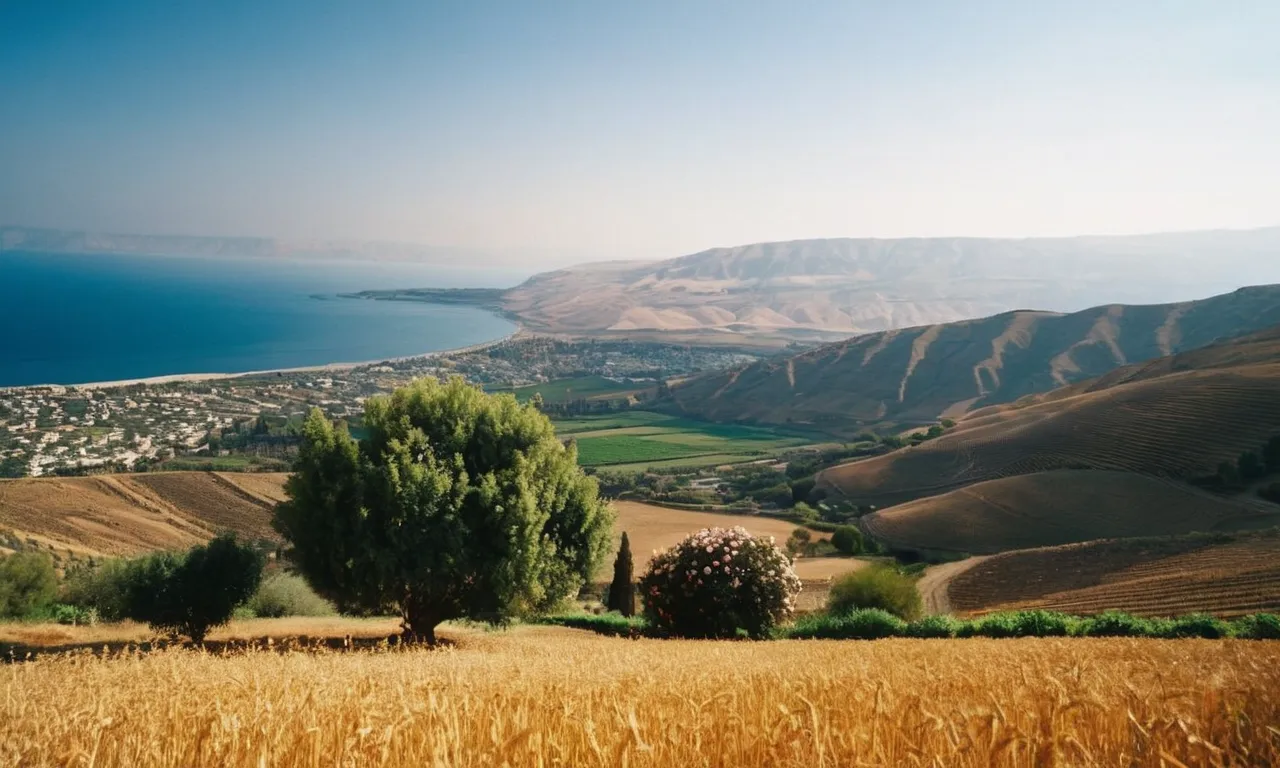
Credit: This picture is from christianwebsite.com
✟ 禱告的時機
我的心哪,你當默默無聲,專等候神,因為我的盼望是從他而來。 (詩篇 Ps 62:5)
前言
各位弟兄姊妹,您常是在什麼時刻禱告的?
各位弟兄姊妹,平安。
想要得著禱告生活中所蘊含的完全的祝福嗎?那麼,我們不僅要用正確的方式禱告,還要在正確的時間禱告。
本文將討論什麼時刻是禱告的時機。
本文包括二部份:
第一部份是,以基督為榜樣來討論恰當的禱告時機,這一部份,我們引用,R. A. Torrey 的《如何禱告 How to Pray》一書內的"When to Pray 何時禱告"那一章的內容。
第二部份是,近代一些教會領袖對「何時禱告」的看法。第二部份係由 Grok 3(an AI tool)初稿,後經修改潤飾而成。
願 上帝賜福給各位弟兄姊妹及您的家人,阿們!

Credit: ytimg.com/vi
第一部分:禱告時機 — 以基督為榜樣
1. In the 1st chapter of Mark, the 35th verse, we read, “And IN THE MORNING, rising up A GREAT WHILE BEFORE DAY, He went out, and departed into a solitary place, and there prayed.”
1. 「次日早晨,天未亮的時候,耶穌起來到曠野地方去,在那裡禱告。」 (馬可福音 Mark 1:35):
JESUS CHOSE THE EARLY MORNING HOUR FOR PRAYER. Many of the mightiest men of God have followed the Lord’s example in this. In the morning hour the mind is fresh and at its very best. It is free from distraction, and that absolute concentration upon God which is essential to the most effective prayer is most easily possible in the early morning hours. Furthermore, when the early hours are spent in prayer, the whole day is sanctified, and power is obtained for overcoming its temptations, and for performing its duties. More can be accomplished in prayer in the first hours of the day than at any other time during the day. Every child of God who would make the most out of his life for Christ, should set apart the first part of the day to meeting God in the study of His Word and in prayer. The first thing we do each day should be to go alone with God and face the duties, the temptations, and the service of that day, and get strength from God for all. We should get victory before the hour of trial, temptation or service comes. The secret place of prayer is the place to fight our battles and gain our victories.
耶穌選擇清晨時分禱告。
許多上帝最偉大的僕人都遵循了主的榜樣。
在清晨,心靈是新鮮清醒的且處於最佳狀態。它遠離干擾,那種對上帝的絕對專注,在清晨最容易實現。此外,當清晨用於禱告時,整天都會被聖化,並獲得克服誘惑和完成職責的力量。在一天的頭幾個小時裡,比一天其他時間禱告更有成效。
每一個願意為基督盡最大努力的上帝的孩子,都應該把一天的開始獻給與上帝相遇,研讀祂的話語和禱告。我們每天做的第一件事應該是獨自與上帝在一起,面對那一天的職責、誘惑和服事,並從上帝那裡獲得力量。我們應該在試煉、誘惑或服事來臨之前就得勝。
禱告的祕密之地正是我們爭戰和獲得勝利的地方。
2. In the 6th chapter of Luke in the 12th verse, we get further light upon the right time to pray. We read, “And it came to pass in those days, that He went out into a mountain to pray, and continued ALL NIGHT in prayer to God.”
2. 在路加福音第6章第12節 (Luke 6:12),我們對禱告的正確時間有了更多的啟示。經文記載:「那時,耶穌出去上山禱告,整夜禱告神。」
Here we see Jesus praying in the night, spending the entire night in prayer. Of course we have no reason to suppose that this was the constant practice of our Lord, nor do we even know how common this practice was, but there were certainly times when the whole night was given up to prayer. Here too we do well to follow in the footsteps of the Master.
Of course there is a way of setting apart nights for prayer in which there is no profit; it is pure legalism. But the abuse of this practice is no reason for neglecting it altogether. One ought not to say, “I am going to spend a whole night in prayer,” with the thought that there is any merit that will win God’s favor in such an exercise; that is legalism. But we oftentimes do well to say, “I am going to set apart this night for meeting God, and obtaining His blessing and power; and if necessary, and if He so leads me, I will give the whole night to prayer.” Oftentimes we will have prayed things through long before the night has passed, and we can retire and find more refreshing and invigorating sleep than if we had not spent the time in prayer. At other times God doubtless will keep us in communion with Himself away into the morning, and when He does this in His infinite grace, blessed indeed are these hours of night prayer!
Nights of prayer to God are followed by days of power with men. In the night hours the world is hushed in slumber, and we can easily be alone with God and have undisturbed communion with Him. If we set apart the whole night for prayer, there will be no hurry, there will be time for our own hearts to become quiet before God, there will be time for the whole mind to be brought under the guidance of the Holy Spirit, there will be plenty of time to pray things through. A night of prayer should be put entirely under God’s control. We should lay down no rules as to how long we will pray, or as to what we shall pray about, but be ready to wait upon God for a short time or a long time as He may lead, and to be led out in one direction or another as He may see fit.
在這裡我們看到耶穌為挑選十二門徒在「整夜禱告神」。
當然,我們沒有理由認為這是主常常的做法,甚至不知道這種做法是否普遍,但確實有時會整夜獻身於禱告。
在這一點上,我們也應該跟隨主的腳步。
當然,有一種通宵禱告的方式是毫無益處的;這純粹是律法主義。但濫用這種做法並不意味著我們應該完全放棄它。人不應該說,"我要通宵禱告",並認為這種做法本身能贏得上帝的恩寵;那是律法主義。
但我們常常會這樣說:我要撥出這個晚上來親近上帝,尋求祂的祝福和能力;如果有需要,如果祂引導我,我願意將整個晚上獻給禱告。
通常在夜晚過去之前,我們已經禱告得很充分,可以安然入睡,並發現比未禱告時更加清爽和精力充沛。有時上帝無疑會讓我們與祂保持交通直到清晨,當祂以祂無限的恩典這樣做時,這些夜間禱告的時刻確實是蒙福的!
向上帝的通宵禱告必定帶來白天對人的能力。
在夜晚,世界沉睡寧靜,我們可以輕易地單獨與上帝在一起,並進行不受干擾的交通。如果我們將整個晚上用於禱告,就不會匆忙,我們的心可以在上帝面前安靜下來,有時間讓整個思緒置於聖靈的引導之下,並有充足的時間徹底禱告。
夜間的禱告應該完全交託給上帝。我們不應該為禱告訂立具體的規則,如禱告的時長或禱告的內容,而是要預備好等候上帝,無論是短暫或長時間,順從祂的引導,按照祂認為合適的方向前進。

Credit: Christian Daily Devotional
3. Jesus Christ prayed BEFORE ALL THE GREAT CRISES IN HIS EARTHLY LIFE.
3. 耶穌基督在祂塵世生活中所有重大危機之前都會禱告
He prayed before choosing the twelve disciples; before the sermon on the mount; before starting out on an evangelistic tour; before His anointing with the Holy Spirit and His entrance upon His public ministry; before announcing to the twelve His approaching death; before the great consummation of His life at the cross. Luke 6:12,13; Luke 9:18,21,22; Luke 3:21,22; Mark 1:35-38; Luke 22:39-46. He prepared for every important crisis by a protracted season of prayer. So ought we to do also. Whenever any crisis of life is seen to be approaching, we should prepare for it by a season of very definite prayer to God. We should take plenty of time for this prayer.
祂在選擇十二門徒之前、在山上講道之前、在開始佈道之旅前、在領受聖靈並開始公開事工之前、在向十二門徒宣告即將來臨的死亡之前、在十字架上生命的巨大完成之前都禱告。(路加福音 Luke 6:12,13;路加福音 Luke 9:18,21,22;路加福音 Luke 3:21,22;馬可福音 Mark 1:35-38;路加福音 Luke 22:39-46)
祂藉著長時間的禱告為每一個重要的危機做準備。我們也應該如此行。每當生命中有任何危機即將來臨,我們都應該藉著向上帝進行明確的禱告來為之做準備。我們應該為此禱告預留充足的時間。
4. Christ prayed not only before the great events and victories of His life, but He also prayed AFTER ITS GREAT ACHIEVEMENTS AND IMPORTANT CRISES.
4. 基督不僅在生命中的重大事件和勝利之前禱告,也在重大成就和重要關頭之後禱告
When He had fed the five thousand with the five loaves and two fishes, and the multitude desired to take Him and make Him king, having sent them away He went up into the mountain apart to pray, and spent hours there alone in prayer to God Matt. 14:23; Jn. 6:15. So He went on from victory to victory.
It is more common for most of us to pray before the great events of life than it is to pray after them, but the latter is as important as the former. If we would pray after the great achievements of life, we might go on to still greater; as it is we are often either puffed up or exhausted by the things that we do in the name of the Lord, and so we advance no further. Many and many a man in answer to prayer has been endued with power and thus has wrought great things in the name of the Lord, and when these great things were accomplished, instead of going alone with God and humbling himself before Him, and giving Him all the glory for what was achieved, he has congratulated himself upon what has been accomplished, has become puffed up, and God has been obliged to lay him aside. The great things done were not followed by humiliation of self, and prayer to God, and so pride has come in and the mighty man has been shorn of his power.
當他用五個餅和兩條魚餵飽五千人,眾人想要擁立他為王時,他打發眾人離開,隨後獨自上山禱告,並在那裡花了幾個小時單獨向上帝禱告(馬太福音 Matt 14:23;約翰福音 John 6:15)。
就這樣,他從一個勝利走向另一個勝利。
對於我們大多數人來說,在生命的重大事件之前禱告比之後禱告更為常見,但後者與前者同樣重要。
如果我們願意在生命的偉大成就之後禱告,我們可能會繼續邁向更偉大的事;事實上,我們常常因為在主的名義下所做的事而自高自大或精疲力盡,因此無法再前進。
許多人因禱告而得到能力,並在主的名義下成就了偉大的事,但當這些偉大的事完成後,他們不是獨自與神同在,在祂面前謙卑自己,將所有榮耀歸給祂,而是為自己所成就的事沾沾自喜,變得自高自大,以致於神不得不將他擱置一旁。
如果人在所做的偉大事成就之後,並未接著自我謙卑、向神禱告,而因此被驕傲起來,這人也失去了他的能力。
5. Jesus Christ gave a special time to prayer WHEN LIFE WAS UNUSUALLY BUSY. He would withdraw at such a time from the multitudes that thronged about Him, and go into the wilderness and pray. For example, we read in Luke 5:15,16, “But so much the more went abroad the report concerning Him: and great multitudes came together to hear, and to be healed of their infirmities. But He withdrew Himself in the deserts and prayed.” (R.V.)
Some men are so busy that they find no time for prayer. Apparently the busier Christ’s life was, the more He prayed. Sometimes He had no time to eat Mark 3:20, sometimes He had no time for needed rest and sleep Mark 6:31,33,46, but He always took time to pray; and the more the work crowded the more He prayed.
Many a mighty man of God has learned this secret from Christ, and when the work has crowded more than usual they have set an unusual amount of time apart for prayer. Other men of God, once mighty, have lost their power because they did not learn this secret, and allowed increasing work to crowd out prayer.
5. 耶穌基督在生活異常忙碌時特別撥出時間禱告。祂會在那種時候從圍繞著祂的眾人中退去,進入曠野禱告。
例如,我們在路加福音 Luke 5:15,16 中讀到:「但耶穌的名聲越發傳揚出去,有極多的人聚集來聽道,也指望醫治他們的病。耶穌卻退到曠野去禱告。」
有些人因忙碌而無法找到禱告的時間。
顯然基督的生活越忙,禱告就越多。
許多神的大能者從基督那裡學到了這個秘密,當工作壓力超過平常時,他們會撥出不尋常的時間來禱告。另一些曾經強大的 神的僕人,因為沒有學到這個秘密,且讓不斷增加的工作排擠了禱告,而喪失了他們的能力。

Credit: Linked from Wiki; Artist: Andrea Mantegna; Year:1457–59
6. Jesus Christ prayed BEFORE THE GREAT TEMPTATIONS OF HIS LIFE.
6. 耶穌基督在生命中偉大的試探來臨之前禱告
As He drew nearer and nearer to the cross, and realized that upon it was to come the great final test of His life, Jesus went out into the garden to pray. He came “unto a place called Gethsemane, and saith unto the disciples, Sit ye here while I go and pray yonder. (Matt. 26:36) The victory of Calvary was won that night in the garden of Gethsemane. The calm majesty of His bearing in meeting the awful onslaughts of Pilate’s Judgment Hall and of Calvary, was the outcome of the struggle, agony and victory of Gethsemane. While Jesus prayed the disciples slept, so He stood fast while they fell ignominiously.
Many temptations come upon us unawares and unannounced, and all that we can do is to lift a cry to God for help then and there; but many of the temptations of life we can see approaching from the distance, and in such cases the victory should be won before the temptation really reaches us.
當祂越來越接近死在十字架上的時刻,並意識到那十字架將成為生命的最終考驗時,耶穌走到花園禱告。
祂來到一個叫做客西馬尼園的地方,對門徒說:「你們坐在這裡,等我到那邊去禱告。」(馬太福音 Matt 26:36)在各各他山的勝利是在客西馬尼園那夜贏得的。
祂在彼拉多審判廳和各各他山面對可怕攻擊時所表現出的沉著莊嚴,是源於客西馬尼園的掙扎、痛苦和勝利。當耶穌祈禱時,門徒們睡著了,因此,當他們羞辱地跌倒時,祂卻堅定地站立著。
許多試探誘惑會在我們毫無防備、未經預告的情況下突然降臨,我們所能做的就是立刻向 神呼求幫助;但生活中的許多試探誘惑,我們可以從遠處看到它們正在逼近,在這種情況下,我們應該在試探誘惑真正來臨之前就贏得勝利。
7. In 1 Thess. 5:17 we read, “Pray WITHOUT CEASING,” and in Eph. 6:18, R.V., “praying AT ALL SEASONS.”
7. 在帖撒羅尼迦前書 1 The 5:17 中,我們讀到:「不停地禱告」,在以弗所書 Eph 6:18中:「隨時禱告」
Our whole life should be a life of prayer. We should walk in constant communion with God. There should be a constant upward looking of the soul to God. We should walk so habitually in His presence that even when we awake in the night it would be the most natural thing in the world for us to speak to Him in thanksgiving or in petition.
我們的整個生命應該是禱告的生命。我們應該與神保持持續的交通。靈魂應該不斷地仰望神。我們應該如此習慣地生活在祂的同在中,以至於即使在夜間醒來,向祂獻上感恩或祈求也是最自然不過的事。
8. 第一部份小結:R. A. Torrey 的"When to Pray 何時禱告",以基督為榜樣的恰當禱告時機
R. A. Torrey emphasized praying early in the morning, following Jesus’ example in Mark 1:35. He believed the morning is when the mind is freshest and most focused, allowing for effective prayer and preparation for the day’s challenges. Torrey also highlighted night prayers during busy times or before significant events, as Jesus did in Luke 6:12.
R. A. Torrey 強調清晨禱告的重要性,效仿馬可福音 Mark 1:35 中耶穌的榜樣。他認為清晨是心靈最清新和專注的時刻,有助於有效禱告並為一天的挑戰做好準備。
Torrey 還指出在繁忙時期或重大事件前進行夜間禱告的重要性,如路加福音 Luke 6:12 所記載。
第二部份:近代一些教會領袖對「何時禱告」的看法
1. 約翰·派博 John Piper
John Piper, a contemporary evangelical leader and founder of Desiring God, emphasizes the importance of praying in secret, as seen in his reflections on Matthew 6:6. His teachings, found in articles like "Our Deepest Prayer: Hallowed Be Your Name" (Our Deepest Prayer by John Piper), suggest that prayer should not be for public display but a private, sincere act. Piper balances eternal concerns (e.g., hallowing God's name) with daily needs, advocating for prayer times that are responsive to spiritual prompts rather than fixed schedules. This approach highlights the personal, intimate nature of prayer, encouraging believers to find moments throughout the day for communion with God.
John Piper teaches praying in secret (Matthew 6:6), not for show, balancing eternal and daily concerns, suggesting private, sincere prayer times.
當代福音派領袖、「渴慕神」機構創辦人約翰·派博(John Piper)強調私下禱告的重要性,正如他在馬太福音 6 章 6 節的反思中所見。他的教導見於《我們最深的禱告:願人都尊你的名為聖》("Our Deepest Prayer: Hallowed Be Your Name",Our Deepest Prayer by John Piper)等文章,表明禱告不應是公開展示,而應是私下、真誠的行為。派博兼顧永恆關懷(例如,尊上帝的名為聖)與每日需求,主張禱告時間應回應屬靈的提示,而不是固定的時間表。這種方法突出了禱告的個人、親密本質,鼓勵信徒在一整天中尋找與上帝交通的時刻。
約翰·派博教導要秘密禱告(馬太福音 Matt 6:6),不要為了炫耀,平衡永恆和日常的關懷,建議在私人、誠摯的時刻禱告。
2. 查爾斯·司布真 Charles Spurgeon
Charles Spurgeon, a 19th-century Baptist preacher, is renowned for his sermons on prayer, such as "Pray Without Ceasing" (Spurgeon's Prayers). He emphasizes continuous prayer, citing 1 Thessalonians 5:17, and teaches responding to the Holy Spirit's promptings, especially in times of trouble or special inclinations. Spurgeon's writings suggest prayer as a natural, ongoing practice, not confined to specific times but integrated into daily life, such as during business or personal reflection. This perspective, detailed in resources like Spurgeon's Gems on Prayer (Spurgeon's Gems on Prayer), underscores the urgency and spontaneity of prayer, making it a responsive act to spiritual needs.
Charles Spurgeon emphasizes praying without ceasing (1 Thess 5:17), responding to Holy Spirit's promptings, in trouble, and during special inclinations.
查爾斯·司布真 (Charles Spurgeon) 是 19 世紀的浸信會牧師,以其關於禱告的佈道而聞名,例如「不住地禱告」(Spurgeon's Prayers)。他強調持續禱告,引用帖撒羅尼迦前書 1 The 5:17,並教導回應聖靈的感動,尤其是在困難或特別的傾向時。司布真的著作表明禱告是一種自然的、持續的實踐,不局限於特定的時間,而是融入日常生活,例如在商業或個人反思期間。這種觀點在司布真禱告的寶石(Spurgeon's Gems on Prayer)等資源中詳細說明,強調了禱告的緊迫性和自發性,使其成為對屬靈需求的反應行為。
司布真強調要不停地禱告(帖撒羅尼迦前書5:17),響應聖靈的提示,在患難中和特殊傾向時禱告。
有關於司布真更多的見解,請參照本網站的 司布真禱告瑰寶集內的:
3. 馬丁·路德 Martin Luther
Martin Luther, a key figure in the Reformation, provides structured guidance on prayer in his Small Catechism, particularly in "Luther's Morning Prayer" (Luther's Morning Prayer Model). He advocates for morning prayer as part of a daily routine, influenced by monastic practices and Scripture, such as Luke 11:9-10 and 1 Thessalonians 5:17-18. Luther's teachings, found in works like "A Simple Way to Pray," suggest simple, faith-based prayers, emphasizing regularity (daily) and continuity (without ceasing). This approach, rooted in biblical commands, offers a practical framework for believers, highlighting prayer as a disciplined yet accessible practice.
Martin Luther advocates morning prayer, daily prayer, and praying without ceasing, influenced by Scripture, with simple, faith-based practices.
馬丁·路德是宗教改革的關鍵人物,他在他的小教理問答中,特別是在「路德的早禱」(Luther's Morning Prayer Model)中,提供了關於祈禱的結構化指導。他提倡早禱作為日常作息的一部分,受到修道院慣例和經文的影響,例如路加福音 Luke 11:9-10 和帖撒羅尼迦前書 1 The 5:17-18。路德的教導,見於《祈禱的簡單方法》等著作,建議簡單、基於信仰的祈禱,強調規律性(每天)和持續性(不住地)。這種方法植根於聖經的命令,為信徒提供了一個實用的框架,突出了祈禱作為一種有紀律但易於實踐的操練。
馬丁·路德提倡晨禱、每日禱告和不停地禱告,受聖經影響,採用簡單、基於信仰的做法。
4. 葛培理 Billy Graham
Billy Graham, a 20th-century evangelist, offers practical advice on prayer timing in quotes compiled by the Billy Graham Library (10 Quotes from Billy Graham on Prayer). He recommends morning prayer to open God's mercies and evening prayer for protection, as well as praying in various circumstances—adversity, prosperity, danger, security, and dark times. Graham views prayer as a way of life, not just for emergencies, emphasizing habitual practice. This holistic approach, detailed in resources like "Importance of Prayer" (Importance of Prayer by Billy Graham), provides a comprehensive guide for integrating prayer into daily and situational contexts.
Summary: Billy Graham recommends early morning and evening prayer, and praying in adversity, prosperity, danger, security, and dark times, as a way of life.
Billy Graham recommends morning and evening prayer, and praying in adversity, prosperity, danger, security, and dark times, as a way of life.
葛培理 (Billy Graham) 是 20 世紀的福音傳道者,他在葛培理圖書館編纂的引言中,提供了關於祈禱時機的實用建議(10 Quotes from Billy Graham on Prayer)。他建議清晨祈禱以開啟上帝的憐憫,晚上祈禱以獲得保護,並在各種情況下祈禱——逆境、順境、危險、安全和黑暗時期。葛培理將祈禱視為一種生活方式,而不僅僅是應急之用,他強調習慣性的操練。這種整體性的方法,在「Importance of Prayer」(Importance of Prayer by Billy Graham)等資源中詳細說明,為將祈禱融入日常和情境脈絡提供了一個全面的指南。
比利·葛培理 建議晨禱和晚禱,遵循耶穌的榜樣。以及在逆境、成功、危險、安全和黑暗時刻禱告,作為一種生活方式。
5. C.S. 路易斯 C.S. Lewis
C.S. Lewis, a lay Christian writer, shares insights on prayer in works like "Lessons on Prayer" (Lessons on Prayer by C.S. Lewis). He suggests morning prayer for a good start, using the phrase "Da hodie perfecte incipere" (grant me to make an unflawed beginning today), and advises against bedtime for chief prayers due to poor concentration. Lewis also encourages continuing prayer in dry times, focusing on the will to pray rather than feelings, as seen in "The Screwtape Letters." This perspective, less structured than clergy teachings, offers a personal, reflective approach to prayer timing, emphasizing intentionality.
C.S. Lewis suggests morning prayer for a good start, avoiding bedtime for chief prayers, and continuing prayer in dry times, focusing on will.
基督教平信徒作家 CS路易斯 (CS Lewis) 在《禱告的教訓》(Lessons on Prayer ) 等作品中分享了關於禱告的見解。他建議透過晨禱來有個好的開始,並使用了“Da hodie perfecte incipere”(請賜予我今天一個完美的開始)這句話,並建議不要在睡前進行主要禱告,因為這樣會導致注意力不集中。魯益師也鼓勵人們在枯燥無味的時候繼續祈禱,注重祈禱的意願而不是感覺,就像在《魔鬼的來信》中所見的那樣。這種觀點不像牧師的教導那樣結構化,它提供了一種個人的、反思性的祈禱時間方法,強調意向性。
C.S.劉易斯建議晨禱以獲得良好的開始,避免在睡前進行主要禱告,並在乾旱時期繼續禱告,專注於意願.
6. 希波的奧古斯丁 Augustine of Hippo
Augustine of Hippo, a 4th-5th century Church Father, provides insights on prayer in his Letter 130 to Anicia Faltonia Proba, written in A.D. 412, found in "Nicene and Post-Nicene Fathers," First series, vol. 1, 1887, pp. 997–1015 (Letter 130 by Augustine). He advises Proba, a widow by her early 30s, on prayer suitability due to her "bereaved and desolate condition," suggesting widows should "commit her widowhood, so to speak, to her God as her shield in continual and most fervent prayer." This focus on continual prayer, without specific times, emphasizes a constant, fervent practice, especially for those in need, reflecting his pastoral concern for the vulnerable.
Summary: Augustine teaches continual prayer, especially for those in desolate conditions like widows, as seen in Letter 130, emphasizing a constant, fervent practice.
希波的奧古斯丁,一位 4-5 世紀的教會教父,在公元 412 年寫給安尼西亞·法爾托尼亞·普羅巴的第 130 封信中,提供了關於禱告的見解,該信收錄於 1887 年《尼西亞與後尼西亞教父》第一輯第 1 卷,第 997-1015 頁(奧古斯丁的第 130 封信)。他建議當時已在 30 歲出頭就成為寡婦的普羅巴,在她「淒涼和孤獨的狀態」下,適當地進行禱告,並建議寡婦應「將寡婦身份委託給上帝,如同護盾,透過持續且極其熱切的禱告」。這種對持續禱告的關注,不限定具體時間,強調了一種持續、熱切的做法,特別是對於那些需要幫助的人,反映了他對弱勢群體的牧靈關懷。
奧古斯丁教導持續禱告,特別是對處於孤獨境況如寡婦的人,在《書信130》中強調一種持續、熱切的做法.
7. 約翰·衛斯理 John Wesley
John Wesley, the 18th-century founder of Methodism, offers guidance on prayer in his book "How to Pray: The Best of John Wesley on Prayer," published by Barbour Publishing in 2008, with approximately 45 readings (How to Pray by John Wesley). While specific timings are not detailed in the provided excerpts, his emphasis on prayer as "the breath of our spiritual life" (Letter to Miss March, 3–29–1760) and the neglect of private prayer as a hindrance to faith suggest a daily, regular practice. Quotes like “I have so much to do that I spend several hours in prayer before I am able to do it” indicate a disciplined, daily approach, likely fitting into morning or set times, though not explicitly stated. This approach, rooted in Methodist discipline, contrasts with more spontaneous teachings, offering a structured routine for spiritual growth, an unexpected detail for those expecting less formality.
Summary: John Wesley advocates daily prayer, as suggested in "How to Pray," emphasizing it as the breath of spiritual life, to be practiced regularly.
18 世紀衛理公會的創始人約翰衛斯理在他的著作《如何祈禱:約翰衛斯理禱告精選》中提供了有關祈禱的指導,該書由 Barbour Publishing 於 2008 年出版,約有 45 篇閱讀材料( 《約翰衛斯理如何祈禱》)。雖然所提供的摘錄中沒有詳細說明具體的時間,但他強調祈禱是「我們精神生活的氣息」(致馬奇小姐的信,1760 年 3 月 29 日)並且忽視私人祈禱作為信仰的障礙,這表明他是一種日常的、有規律的做法。諸如「我有太多事情要做,以至於我花了好幾個小時祈禱才能夠完成」之類的話表明了一種自律的日常方法,雖然沒有明確說明,但可能適合早上或固定的時間。這種方法植根於衛理公會的紀律,與更自發性的教學形成鮮明對比,為精神成長提供了結構化的常規,這對於那些期待不那麼正式的人來說是一個意想不到的細節。
約翰·衛斯理提倡每日禱告,如《如何禱告》中所示,強調它是屬靈生活的呼吸,需定期實行.
8. 迪特里希·潘霍華 Dietrich Bonhoeffer
Dietrich Bonhoeffer, a 20th-century Lutheran pastor and theologian, provides a structured approach in his writings, as seen in "Daily Prayer with Dietrich Bonhoeffer" (Daily Prayer with Dietrich Bonhoeffer). He recommends morning prayers of praise, noon prayers for strength, and evening prayers for needs, framing a three-fold approach to pray daily, individually or with others. His morning prayer, "O God, early in the morning do I cry unto Thee," from a Medium article (Morning Prayer by Bonhoeffer), reinforces this, with evening prayers including petitions for forgiveness, as noted in "Life Together." This structured timing, developed during his imprisonment, reflects his emphasis on communal and personal discipline.
Summary: Bonhoeffer recommends morning prayers of praise, noon prayers for strength, and evening prayers for needs, as outlined in his writings, for a structured daily practice.
迪特里希·潘霍華 (Dietrich Bonhoeffer) 是 20 世紀的路德教牧師(Wiki:德國信義宗)和神學家,他在著作中提供了一種結構化的方法,如《與迪特里希·潘霍華一起每日祈禱》(Daily Prayer with Dietrich Bonhoeffer)(Daily Prayer with Dietrich Bonhoeffer)所示。他建議早晨祈禱讚美,中午祈禱力量,晚上祈禱需求,構成一種每日祈禱的三重方法,可以單獨或與他人一起祈禱。他在一篇 Medium 文章(Morning Prayer by Bonhoeffer)中提出的早禱文「噢,上帝,清晨我向你呼求」,強化了這一點,而晚禱則包括請求寬恕,如《共處生活》(Life Together) 中所述。這種結構化的時間安排,是在他監禁期間發展出來的,反映了他對社群和個人紀律的重視。
迪特里希·朋霍費爾建議晨禱讚美,中午禱告求力量,晚上禱告表需要,如其著作中所概述,為每日結構化實踐.
9. 德蕾莎修女 Mother Teresa
Mother Teresa, a 20th-century Catholic saint, practiced a daily prayer, as detailed in "The Daily Prayer of Mother Teresa" (Daily Prayer of Mother Teresa), emphasizing its role in her devotion and service. Her prayer, "Dear Jesus, help me to spread Thy fragrance everywhere I go," was part of her routine, likely fitting into her morning schedule given her disciplined life, though specific times are not detailed. Her writings, such as those on the Missionaries of Charity’s website, highlight prayer as integral to her work with the poor, suggesting a daily, possibly morning, practice to start her day.
Summary: Mother Teresa practiced a daily prayer, as part of her routine, emphasizing its role in her devotion and service, though specific times are not detailed.
德蕾莎修女是一位 20 世紀的天主教封聖的聖人,她每天都進行祈禱,這在《特蕾莎修女的每日祈禱》( Daily Prayer of Mother Teresa )中有詳述,強調了祈禱在她的虔誠和服務中所發揮的作用。她的祈禱是“親愛的耶穌,請幫助我將你的芬芳傳播到我所到之處”,這是她日常生活的一部分,考慮到她自律的生活,這可能很適合她的早晨日程,儘管具體時間沒有詳細說明。她的文章,例如仁愛傳教修女會網站上的文章,都強調祈禱是她為窮人服務工作中不可或缺的一部分,建議她每天(最好是早上)以祈禱來開始新的一天。
德蕾莎修女實行每日禱告,作為她常規的一部分,強調其在奉獻和服務中的角色,但具體時間未詳述.
10. 華理克 Rick Warren
Rick Warren, a contemporary evangelical pastor, teaches praying throughout the day in "How to Pray Throughout Your Day" (How to Pray Throughout Your Day by Warren), based on the Lord’s Prayer, encouraging a continuous conversation with God. He suggests starting each day with Psalms, as per Ephesians 6:18, and maintaining prayer as natural as breathing, integrating it into daily activities without fixed times, emphasizing spontaneity and habit.
Summary: Rick Warren teaches praying throughout the day, using a strategy based on the Lord’s Prayer, to maintain a continuous conversation with God.
當代福音派牧師華理克 (Rick Warren) 在「如何整天禱告」(How to Pray Throughout Your Day) (How to Pray Throughout Your Day by Warren) 中,以主禱文為基礎,教導人整天禱告,鼓勵與上帝持續對話。他建議每天以詩篇開始,如以弗所書 6:18 所說,並保持禱告像呼吸一樣自然,將其融入日常活動中,無需固定時間,強調自發性和習慣。華理克牧師是有23,000名教友的加州馬鞍峰教會創會牧師、他也是銷量達5千萬本的暢銷書《標竿人生》的作者。
華理克教導全天禱告,基於主禱文的使用策略,以保持與上帝的持續對話.
11. Amber Mann Riggs
Amber Mann Riggs advocated for fixed-hour prayer, inspired by Daniel’s practice of praying three times a day (Daniel 6:10). She emphasized intentional breaks in the day to stop everything and focus on prayer, creating a disciplined routine that prioritizes communion with God.
Amber Mann Riggs 提倡固定時辰祈禱,受但以理每天三次禱告(但以理書 Dan 6:10)的實踐啟發。她強調在一天中有意識地停下所有事情專注於祈禱,建立一種以與神交通為優先的紀律性習慣。
12. Chuck Lawless
Chuck Lawless suggested dividing prayer into six intentional sessions throughout the day, each lasting 10 minutes. These sessions include praising God, praying for church leaders, family members, non-believers, community leaders, and missionaries, allowing flexibility based on personal schedules.
Chuck Lawless 建議將祈禱分成一天中的六個有意識階段,每次持續 10 分鐘,包括讚美神、為教會領袖、家庭成員、不信者、社區領袖和宣教士祈禱,根據個人日程靈活安排。
資料來源
✨ 編者註:
本文的初稿是使用AI工具(Perplexity/Claude3 and Grok3)產生及參考若干網頁內容綜合而成,若干文字並經中文翻譯。本文係經編者審查、矯正潤飾而成。
誤繆不周之處仍然存在,還請各位弟兄姊妹多多指導更正,告訴我們,謝謝各位。📬gloryworg@gmail.com
除非另有說明,引用的經文均來自現代標點和合本(版權屬香港聖經公會所有,蒙允准使用),NASB英文版。
❖ 英文資料來源及參考文章出處:❖
- Our Deepest Prayer by John Piper
- Spurgeon's Prayers
- Luther's Morning Prayer Model
- 10 Quotes from Billy Graham on Prayer
- Importance of Prayer by Billy Graham
- Lessons on Prayer by C.S. Lewis
- Letter 130 by Augustine
- How to Pray by John Wesley
- Daily Prayer with Dietrich Bonhoeffer
- Daily Prayer of Mother Teresa
- How to Pray Throughout Your Day by Warren
Published on 發表於 2025/04/08
華人雲端基督教會 - Chinese Christian Cloud Church